US Shakes Up Global Health Aid with ‘America First’ Plan, Experts Warn of Dangerous Gaps
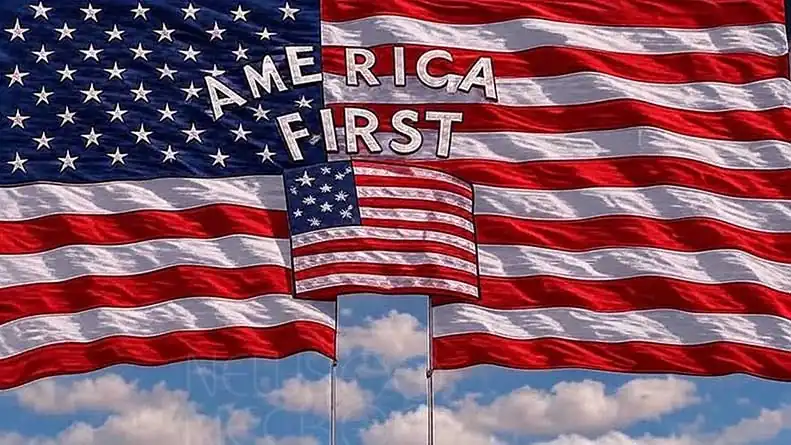
In a move that is causing deep concern among health experts, the United States has unveiled a new “America First Global Health Strategy.” This plan represents a radical shift in how the country delivers health assistance around the world. But many who have spent their lives fighting diseases globally warn the new approach is risky and could leave the world’s most vulnerable people without care.
For decades, the U.S. has been a leader in global health, often working through large international organizations and trusted non-profit partners to deliver medicine, build clinics, and fight epidemics. This new strategy, however, changes the playbook entirely.
Now, American aid will be funneled through a new system of one-on-one deals, called bilateral agreements, with individual countries. The goal, according to the administration, is to cut down on waste and help countries develop their own health systems, ultimately allowing the U.S. to decrease its spending.
A senior State Department official said countries are “really excited about what this opportunity presents.” As part of the new plan, the government recently announced a deal with an American drone company to help deliver medical supplies in five African nations.
A System in Shock
This new strategy comes after a period of massive disruption. Earlier this year, the U.S. made sudden and severe cuts to foreign aid. These cuts forced many public health organizations to scale back or completely shut down vital services. Now, experts question if this new system can be set up quickly enough to fill the gaps that those cuts created.
The core argument of the “America First” plan is that the old way of doing things was inefficient. It criticizes high overhead costs, including salaries for CEOs at companies that carry out aid projects.
However, health experts counter that what the government calls “overhead” is often the essential backbone of healthcare.
“While everyone wants as much funding as possible directed toward patient services, the reality is that a hospital is far more than just its doctors” explained one senior aid worker. “A doctor needs to be trained. There’s a medical school. There are people who have to keep the hospital clean. “Those costs, even though they can at times escalate, are nonetheless legitimate.”
Read More article: When Science Stops Asking ‘Can We?’ and Forgets to Ask ‘Should We?
Reaching the “Last Mile”
Another major fear is that this new system will fail to reach the people who need help the most. In many poor and remote areas, it is often private charities and non-profits, not government ministries, who deliver care.
The senior aid worker cautioned that relying solely on government health ministries carries a real risk that “the last mile” the poorest and most vulnerable people may be missed.
Jeremy Konyndyk, the president of Refugees International, put it bluntly. “A lot of the things that they deride as non-essential are essential, because they are the things that make the essential functions work,” he told CNN.
The big question is whether this new model can work for the world’s poorest and most unstable countries. Rachel Bonnifield, of the Center for Global Development think tank, offered a cautious analysis.
“What they are outlining is a really good transition and sustainability plan for countries that are relatively higher levels of maturity and wealth,” she said. But, she added, it “probably will not be viable in the short term for the poorest countries and most fragile.”
The U.S. government is pushing forward, aiming to finalize these new one-on-one agreements by the end of the year. But as the plan rolls out, the world will be watching closely. The concern is that in the effort to streamline aid and put America first, the safety net for millions of people fighting disease and poverty might begin to unravel.
For More Visit NewsNeck